To run the tightest operations possible, airports need to have a handle on every corner of the airport, landside and airside. But today, there's not much room for manual processes when it comes to top priorities like smooth passenger flows, high throughput, flawless safety, and a solid bottomline.
The right combination of software can help airports all over the world meet those goals, all while automating manual tasks, optimizing capacity and reducing costs.
What kinds of software do modern airports use?
Airport software usually falls into one of these categories:
- Operational management systems
- Passenger and terminal systems
- Maintenance and logistics software
- Administrative systems
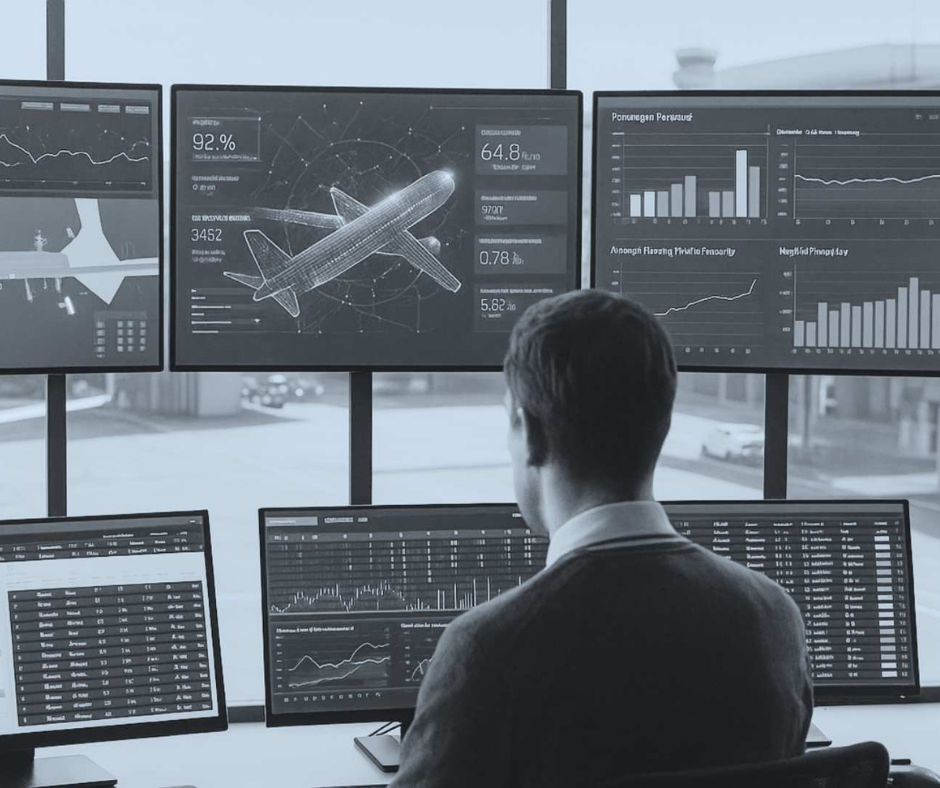
Real-time data and analytics from these systems provide insights into passenger behavior, traffic patterns, and potential bottlenecks. With this kind of information at their fingertips, airports can make more proactive, informed decisions, streamlining operations and enhancing the passenger experience.
Features might include real-time reporting, intelligent forecasting, passenger flow management, and security management, but it's rare that they are all connected to a central, flexible platform.
Rather than replacing everything with a massive, rigid system that claims to do it all, there is another approach: cherry-picking the ”best-in-breed” airport solutions and combining them through an integrated data layer and open APIs. That way you get a more agile and tailored solution, allowing you to change out one component if it no longer works for your airport.
What the best airport operations software have in common
By combining the best solutions, airport leaders can improve revenue management, reduce non-compliance, and create an all-around better passenger experience. But first, there are a few non-negotiables.
- Cloud-based - Moving operations to the cloud gives you greater flexibility to integrate with different APIs so you can build a more robust optimization engine. Modern cloud solutions are as secure and reliable as any in-house systems with the added benefit that airports do not have to maintain their own servers and hardware.
- Data analytics - Some of the most critical information relates to passenger flow, flight schedules, and airport capacity. Dashboards and flows that combine real-time, predictive, and preventive analytics enable teams to respond quickly to changes or disruptions – minimizing delays and improving safety.
- User-friendly interface - While good UX is a given for any successful software tool, it's especially important in an airport. Your systems must be accessible and intuitive for every stakeholder so operations stay connected.
- Easy implementation and ongoing support - The best software companies don't leave you on your own to implement. They're with you every step of the way to ensure a seamless go-live, and are there when you need them going forward.
1. Operational management systems
These are the core systems that keep airside and landside operations running:
- Airport Operational Database (AODB): This centralized database allows airports to store, manage, and distribute real-time data that's crucial for day-to-day operations. It includes all flight-related information: daily flight plans, seasonal changes, and updates about delays and gate changes. An AODB feeds this data into many other systems.
- Resource Management Systems (RMS): An RMS allocates and optimizes key airport resources, like baggage belts, check-in counters, stands and gates, and ground handling equipment and staff.
- Flight Information Display Systems (FIDS): One of the most visible systems in an airport, FIDS power the screens that present real-time information on arrivals, departures, and gate assignments.
- Airport Collaborative Decision Making (A-CDM): This framework opens up communication between the airport, airlines, air traffic control, and ground handlers to optimize aircraft turnaround processes and minimize delays.
- Air Traffic Management (ATM): Air traffic controllers use this to view essential data like radar, flight plans, and weather, so they can safely guide aircraft in the surrounding airspace and on the ground.
All of these platforms help airlines, airports, and third-party collaborators work together and stay on the same page.
2. Passenger flow and terminal systems
These systems focus on streamlining the passenger journey and improving efficiency:
- Passenger processing systems: Many solutions exist for check-in, boarding, and security checkpoints. More and more they look to technology like:
- Biometrics: Facial and iris recognition enable a "touchless journey" through check-in, bag drop, boarding, and passport control.
- Common use terminal equipment: These platforms allow multiple airlines to use the same check-in desks, gates, and self-service kiosks. They are key to dynamic allocation and avoiding gridlock in different parts of the airport.
- Baggage handling systems: To efficiently transport bags from terminal to aircraft and back again, this software manages automated sorting, tracking, and delivery of baggage. It is often integrated with radio-frequency identification (RFID) tags.
- Wayfinding and navigation: Mobile apps and interactive digital directories help passengers find their way to the gate, shops, and other facilities. They also play a key role in virtual queueing at security checkpoints and passport control. Anything airports can do to reduce stress and anxiety on travel day is a win for passengers.
Importance of the passenger experience
An airport’s success and reputation hinges on a great passenger experience. The goal is to create a seamless and efficient journey from arrival to departure so they continue coming back for future travels. And since passengers see airports as one entity, it's critical that every touch point is optimized.
Airport software can help improve the passenger experience at each of those touch points by providing real-time visibility and insights into passenger flow and airport operations. Using this data, airports can identify areas for improvement and make the necessary changes that enhance the overall passenger experience.
3. Maintenance and logistics management
For managing physical infrastructure and assets in the airport, many systems exist:
- Maintenance, repair, and overhaul (MRO) software: Maintenance teams use this to track complete history, inspection schedules, and inventory of aircraft and critical airport infrastructure like runways, taxiways, and jet bridges.
- Asset management systems: This tracks the location, condition, and maintenance of all non-aircraft assets, from vehicles to IT equipment.
- Ground operations management: Many things are happening on the tarmac aside from takeoff and landing. These tools help teams manage various vehicles and services for catering, refueling, and pushback.
- Predictive maintenance (PdM) software: This is an ecosystem of platforms that use sensors, IoT, AI, and machine learning to move maintenance from a reactive approach to a proactive one.
4. Administrative systems
There are also many tools and technologies that keep the administrative side of an airport up and running:
- Cybersecurity and threat detection: Airports use various tools and programs to protect critical network infrastructure, operational data, and sensitive passenger information.
- Billing and revenue management: Airports may use a wide variety of software to manage and automate invoicing for airlines, tenants, and ground handlers.
What are the benefits of airport optimization software?
By implementing the right airport management software, airports can reduce paperwork, minimize delays, and improve overall efficiency. All of this translates to higher employee and passenger satisfaction, a win-win for airport leaders and travelers alike.
All that said, proper implementation and support cannot be overlooked. A reliable and experienced implementation team can help airports navigate the transition to a new software, minimizing disruptions and ensuring a smooth rollout. Ongoing support is also essential, providing airports with the help and guidance they need to get the most out of their software.
The user-friendly software that helps airports cut costs and mitigate capacity constraints
Imagine one airport management software that connects operations, analysis, and planning – and helps you get better at all of it. Better Airport is a flexible, modular platform that integrates with all kinds of airport software systems. It can serve as your RMS or as a central optimization engine depending on the modules you choose.
Airports using Better Airport software have seen:
- Growth absorption of 15 to 20% through better use of existing infrastructure
- 30 to 50% reduction in peak wait times thanks to more stable predictions
- 10 to 15% reduction in staffing costs due to less last-minute overtime and ad-hoc staffing
From small regional airports to bustling international hubs, we passionately believe that airport operations should be simple and efficient. Our state-of-the-art software connects all operations, enabling better processes from curb to gate: improved forecasting and check-in, smoother security and baggage, optimized stand and gate setups, and more.